Email marketing continues to stand tall as one of the most effective digital marketing channels. Many people thought social media and messaging apps would be more popular. However, email is now more important for talking to customers.
What’s changing, however, is how marketers use it. Artificial intelligence (AI) is not just a side project anymore. It is now important for smart brands to create, send, and improve their marketing campaigns.
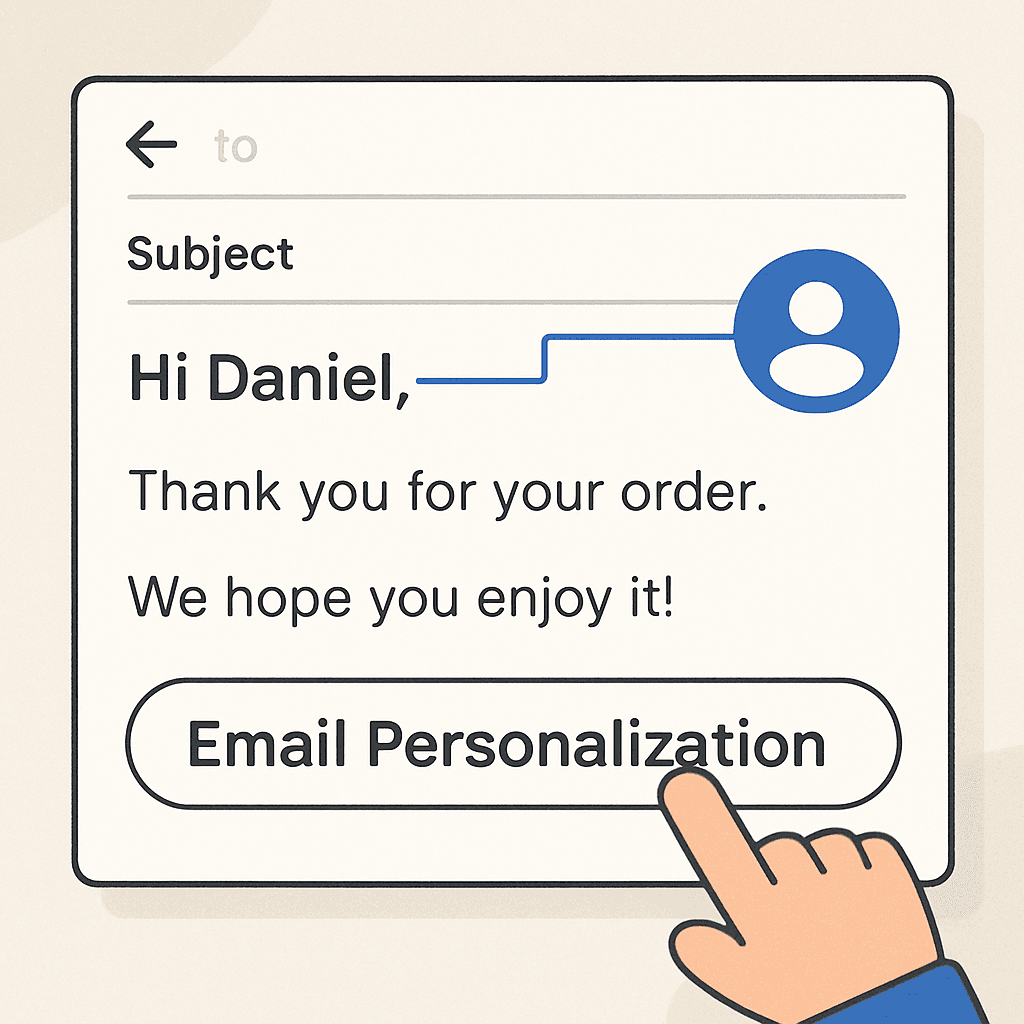
Heading into 2025, AI is basically reshaping how email marketing works. They enable unprecedented levels of personalization, optimization, and engagement at a scale no human team could achieve alone. This evolution has redefined what email personalization truly means—going far beyond “Hi [First Name]” to unique, one-to-one subscriber experiences.
The Market Shift: Numbers That Matter
- According to Statista, AI in email marketing is expected to grow at a 26.3% CAGR, reaching $2.7 billion by 2025.
- This year, global email users are set to hit 4.6 billion — that’s over half the planet.
- Marketers using AI are already seeing measurable lifts: the average order value for AI-driven campaigns is $145.08, compared to $138.00 for non-AI campaigns.
These aren’t small margins. They show that using AI is not only about following trends. It is also about improving performance, which can lead to more money.
For businesses evaluating the best email marketing tools, those with AI capabilities are rapidly becoming the industry standard.
This article explores the four key areas where AI is transforming email marketing in 2025:
- AI-powered segmentation
- Generative content creation
- Send-time and frequency optimization
- Email deliverability enhancement
We’ll also examine practical playbooks, real-world case studies, and the future of AI in email marketing.
1. AI-Powered Segmentation: From Lists to Living Audiences
Segmentation has always been the secret sauce behind great email marketing. Traditional segmentation relied on broad categories like demographics or geography. Useful, yes, but blunt instruments.
AI-powered segmentation changes the game. Machine learning models sift through vast, multi-dimensional datasets to identify micro-clusters of customers who share nuanced similarities—patterns invisible to human analysis.
How AI Segmentation Works
AI segmentation tools analyze:
- Behavioral patterns: Purchase history, browsing behavior, engagement with past emails, and website interactions.
- Demographic insights: Age, gender, income, household size, and geolocation.
- Psychographics: Hobbies, interests, values, lifestyle preferences, and brand affinity.
- Predictive signals: Likelihood to purchase within X days, churn possibility, and estimated lifetime value.
Modern platforms also use natural language processing (NLP) to mine customer feedback, social comments, and even support tickets. This allows brands to create segments not just by what people did, but also by how they feel (sentiment) and what they intend to do (intent signals).
Case Study: Amazon
Amazon is a leader in AI segmentation. Their emails based on recommendations show good email personalization. They also demonstrate how AI segments can bring in billions in sales.
Amazon’s AI tracks browsing and purchase history, predicts future needs, and intelligently builds segments around likely buyers. The result? 35% of Amazon’s revenue comes directly from recommendations**, many of which are delivered via email.
Case Study: Nike
Nike uses AI segmentation to tailor campaigns to lifestyle preferences. A customer who buys running shoes gets different email content than one who buys basketball apparel. Nike's AI groups customers based on their goals, like serious athletes and casual gym-goers. It provides training tips, playlists, and gear suggestions that fit their needs.
Segmentation in B2B: HubSpot
In the B2B world, HubSpot’s AI tools help marketers segment leads not just by job title, but by predictive fit and intent data. A medium-sized company considering CRM integrations may receive different email campaigns than a small startup that is downloading free resources.
2. Generative Content: Personalization at Scale
Generative AI can create custom content easily. That means auto-generated subject lines, personalized product picks, and even tone tweaks — all done for you.
Why It Matters
- Personalized emails deliver 6x higher transaction rates.
- They see 29% higher open rates and 41% higher click-through rates.
- ROI is 122% higher than non-personalized campaigns.
How Generative AI Elevates Content
- Dynamic subject lines and headlines
- AI crafts subject lines that resonate based on individual preferences.
- Personalized product recommendations
- Algorithms compare purchase history with lookalike customer profiles.
- Content adaptation for tone and context
- AI can change the same email to sound funny and friendly for younger readers. It can also make it more serious and formal for business customers.
- Real-time updates
- Emails can pull in live data: weather forecasts, trending news, or personal milestos
Case Study: Spotify
Spotify’s “Wrapped” campaign is a benchmark for email personalization. Spotify uses AI to look at billions of data points about what people listen to. Then, it creates unique recap emails for each user.
The campaign doesn’t just pull huge engagement — it also gets people sharing it worldwide. Spotify Wrapped is proof that personalization can create cultural moments, not just conversions.
Case Study: Starbucks
Starbucks uses AI to personalize offers based on your coffee habits. For example:
- A morning commuter might receive an email promoting breakfast bundles at 7am.
- An afternoon latte drinker might get a “happy hour” promotion around 2pm.
The emails don’t just push products—they feel like personal recommendations. Starbucks has seen a big jump in loyalty program engagement thanks to this strategy.
Case Study: Netflix
Netflix applies AI-driven content generation in retention campaigns. Subscribers who haven’t logged in for a while receive personalized emails highlighting shows similar to ones they’ve previously enjoyed. AI selects the best visuals, subject lines, and copy to maximize the chance of re-engagement.
3. Send-Time and Frequency Optimization
Timing often matters more than volume. AI email marketing tools now track each subscriber’s behavior and hit send at the exact moment they’re most likely to open and engage.
Why Timing Matters
Every subscriber has an “attention window.” Sending outside this window drastically lowers the chance of an open or click.
AI models analyze:
- Historical open times
- Device behavior
- Engagement depth
- Lifecycle stage
Case Study: Airbnb
follow-up email at the best time for them, instead of just when the marketing team plans it. This dialed-in approach has bumped into both engagement and bookings.
Case Study: LinkedIn
LinkedIn uses AI send-time optimization for its B2B audience. Professionals in different industries engage at different times—marketers at 9am, software engineers late at night. By tailoring delivery times, LinkedIn drives higher open rates for job alerts, newsletters, and sponsored content.
4. Email Deliverability: Winning the Inbox Battle
Even the best content fails if it never reaches the inbox. **Email deliverability **remains a major challenge.
How AI Solves It
- Reputation monitoring across ISPs.
- Content optimization to avoid spam filters.
- List hygiene automation.
- ISP-specific campaign adjustments.
- Predictive analytics to forecast problems before they happen.
Case Study: Sephora
Sephora sends millions of emails every week. By using AI deliverability tools, they maintain above 95% inbox placement, even during high-volume campaigns like Black Friday.
Case Study: Netflix (Retention Campaigns)
Netflix also leverages AI to ensure promotional recommendations land in the inbox. Their AI systems optimize sender reputation by balancing email frequency, cleaning inactive subscribers, and tailoring content to ISP preferences. This proactive approach ensures their re-engagement emails aren’t filtered as spam.
5. How to Get Started: A Practical AI Email Marketing Playbook
For marketers considering AI, the options can feel overwhelming. Here’s a step-by-step approach:
- Audit your current email marketing tools. Do they support AI features like segmentation, personalization, or deliverability optimization? If not, explore the best email marketing tools with AI capabilities.
- Start small. Pick one application—AI subject lines, send-time optimization, or predictive segmentation—and run tests.
- Leverage free tools. Many free email marketing tools (like Mailchimp’s free tier or Brevo) now offer basic AI-powered features. These are excellent entry points for small businesses.
- Collect quality data. AI is only as good as the data you feed it. Clean your email list regularly and encourage subscribers to share preferences (zero-party data).
- Layer automation. Once you’ve seen results in one area, expand. Throw in AI product recommendations, churn prediction, and smarter deliverability checks. Balance AI with human creativity.
- Let AI handle the first draft, but keep a human in the loop to nail your brand voice, stay compliant, and tell the story right.
6. The Future Beyond 2025
AI in email marketing is still evolving. Expect:
- Cross-channel integration: AI insights will unify email, SMS, push, and paid ads into one ecosystem.
- Real-time personalization: Imagine emails that change the moment you open them, based on what you just browsed online.
- Privacy-first AI: Expect a balance of personalization with GDPR, CCPA, and zero-party data strategies.
- Predictive CLV modeling: AIs are looking at long-term customer value, not just quick wins.
7. Key Takeaways
- Email personalization is no longer optional; it’s the standard.
- The best email marketing tools use AI to slice up audiences, create fresh content, and nail the perfect send time.
- Email deliverability is still key, and AI now helps spot problems before they happen.
- Free email marketing tools are a good starting point, but scaling requires advanced AI-powered platforms.
8. Final Words
AI isn’t replacing marketers; it’s amplifying their creativity and effectiveness.
Brands like Amazon, Nike, Spotify, Starbucks, Airbnb, Netflix, LinkedIn, and Sephora prove AI-driven campaigns outperform traditional methods in personalization, engagement, and deliverability. The challenge for businesses in 2025 is clear: choose the right Email marketing tools—whether free or paid—can help you meet your goals. Let AI manage the details so your team can concentrate on strategy.
Are you ready to make your email marketing better with AI? Visit Amplift.ai to see how it can help you reach your customers with precision and personalization.