Influencer marketing isn’t a vibe—it’s infrastructure. In 2025, brands are not just working with creators for one-time projects. Instead, they are creating ongoing partnerships that bring in real money. At the same time, they are tapping specialists and assistants to manage campaigns, negotiate deals, and track ROI.
The trend is clear: many U.S. marketers are planning to work with content creators this year. Consumers continue to place strong trust in creator recommendations, making these partnerships even more valuable. At the same time, the industry is expanding quickly, shaping a dynamic landscape that brands are eager to join.
What has changed is execution:
- Smaller niche creators are delivering stronger conversions
- B2B brands are launching creator-led shows and masterclasses
- AI is now drafting briefs, spotting brand-safety risks, and predicting which creators will truly influence your audience
This guide skips the fluff and gives you a practical, field-tested influencer marketing strategy you can run from start to finish. It also offers a comprehensive overview of the U.S. influencer marketing market, detailing available roles from specialists to assistants, and identifying valuable communities and tools. Save it, ship it, iterate.
TL;DR and Who This Is For
TL;DR — Influencer marketing in 2025 is an always‑on growth engine, not a one‑off stunt. Micro/nano creators drive conversion and efficient customer acquisition cost (CAC); macro/mega creators drive fame and distribution. B2B finally caught up with creator‑hosted shows, expert collabs, and event‑led content. AI is now woven into the workflow, such as managing briefs, fit scores, safety checks, and forecasting. While rights management, whitelisting, and transparent measurement make sure every dollar is accounted for. This guide gives you a field‑tested influencer marketing strategy you can ship in a week: sourcing & vetting rubrics, one‑page briefs, hybrid comp models, incrementality tests, and a U.S. hiring playbook.
What you’ll get
- A step‑by‑step plan for always‑on + campaign bursts, built for performance and brand.
- A practical rubric to choose creators (audience match > follower count) and avoid fraud.
- Plug‑and‑play templates: outreach ladder, brief, contract/usage, KPI scorecard.
- U.S. hiring guide: what influencer marketing specialist (United States) and influencer marketing assistant (United States) do, plus sample interview prompts.
- A stack & community short‑list (creator marketplaces, peer communities, brand‑safety tools).
What you won’t do here
- Don’t pay for followers or chase vanity metrics. We focus on the cost to acquire customers, payback time, and real sales pipeline.
- Don’t send freebies or run gifted posts without tracking, usage rights, and clear #ad disclosures.
- Don’t mistake short‑term click spikes for real lift. We run controlled tests to prove what worked.
Who this is for
- Growth leads, performance marketers, founders, and agency teams who need measurable impact from creator spend.
- U.S. teams hiring or upskilling influencer marketing specialists and assistants, plus solo operators who want an assistant‑level playbook.
- Direct-to-consumer (DTC), mobile apps, and B2B/SaaS orgs ready to plug creator content into paid and lifecycle.
Whether you’ve run a few gifted collabs or you’re already investing $10k–$100k each month, this will help you scale with less guesswork and clearer insights.

The 2025 Reality Check (Data + What Actually Works)
Quick snapshot (Aug 2025): Most U.S. marketers say they’ll work with creators this year, and budgets are still trending up.The influencer industry continues to grow. Influencer Marketing Hub predicts global spending will exceed $32 billion in 2025. People regularly buy products because of content created by creators. This shows that influencer marketing is not a temporary trend; it is a channel with genuine consumer demand.
Let's explore the latest trends in influencer marketing for 2025.
What’s working now
- Smaller, niche creators convert. Brands see stronger engagement and targeted reach from nano/micro creators compared with mega accounts. That “close‑to‑the‑community” vibe is paying off in comments, saves, and clicks.
- Always‑on > one‑off bursts. Teams that maintain a consistent roster of creators and repurpose their content into paid and lifecycle marketing efforts achieve more predictable outcomes compared to large, one-time campaigns.
- B2B has entered the chat. Creator‑led explainers, podcasts, and webinar collabs are now normal, especially for complex products where a trusted voice can simplify the story.
AI is in the loop (use it, but keep it honest)
- Marketers report AI helps with targeting, brief drafts, and performance lift. Tools also improve safety checks (e.g., scanning creator histories and captions for risky topics).
- Platforms are rolling out AI ad features (like virtual avatars). Useful for volume and testing, but label clearly and don’t swap out human voices where trust matters.
Trust is spiky, so be transparent
- Consumer trust swings with authenticity. Synthetic or undisclosed content can backfire fast. Clear #ad disclosures and real creator stories will beat slick, generic posts.
Social commerce is the bridge
- People aren’t just “inspired”, they tap through and buy. Creator content now drives frequent purchases (monthly for a big chunk of consumers), which is why pairing creator posts with clean tracking and on‑site bundles works.
What to drop in 2025
- Paying for follower count instead of audience fit.
- One‑post blasts with no rights to reuse the content.
- Measuring only views and likes—without lift tests or sales signals.
Do this next
- Shortlist 10–20 nano/micro creators already talking to your exact audience; check audience geography and recent comment quality.
- Set an always‑on cadence (e.g., 8–12 posts/month across your bench) and reserve budget to boost 2–3 winners.
- Bake in measurement from day one: link + coupon hygiene, brand‑search lift read, and a simple holdout test.

U.S. Talent Map: How Real Teams Are Staffed
How small teams are set up
Most U.S. brands run a tight pod: one Influencer Marketing Specialist + one Influencer Marketing Assistant. The specialist owns strategy and results, and the assistant keeps the machine moving (sourcing, outreach, logistics, reporting).
Role: Influencer Marketing Specialist (United States)
- What success looks like:
- Steady pipeline of qualified creators
- Content that performs
- Clear ROI
- Day‑to‑day:
- Vet audiences
- Negotiate scope/rates
- Write briefs
- Track posts
- Report results
- Protect the brand (disclosures/claims)
- Key skills:
- Creator sourcing
- Contract basics
- Data literacy
- Brand safety
- Project management
- Typical salary (US, 2025): ~$59k–$107k range; reported average around **$79k **(according to Glassdoor). Senior/manager roles often land higher.
- Core KPIs:
- content on-time %
- true engagement (authentic saves/comments)
- click-through rate (CTR)
- trial/orders
- Customer Acquisition Cost(CAC)/Return on Ad Spend (ROAS)
- payback
Role: Influencer Marketing Assistant (United States)
- What success looks like: fast, accurate execution
- Clean lists
- Timely outreach
- Organized assets
- Reliable tracking
- Day‑to‑day:
- Build prospect lists
- First-touch emails
- Sample shipping
- Calendar/asset chase
- Pull screenshots
- Clean links/coupons
- Update dashboards
- Clip user-generated content (UGC)
- Key skills:
- research
- communication
- spreadsheets
- basic editing
- attention to detail
- Typical salary (US, 2025): often $40k–$60k total comp depending on city/experience.
- Core KPIs:
- Response rate
- Time-to-live
- Asset completeness
- Link/coupon hygiene
- Report accuracy
Team guardrails (US compliance)
- According to A Year Later, Revisiting FTC’s Updated Endorsement Guides, when using video content, include clear visual and spoken disclosures such as #ad or #sponsored. Ensure claims are truthful and maintain accurate records.
Tooling (choose a few you’ll actually use)
- Sourcing & vetting (platform search/marketplaces)
- Rights & whitelisting
- Social listening/brand‑safety checks
- Attribution/BI dashboards.
Hiring prompts you can copy
- Sourcing task: “Find 10 creators for [audience], show why each fits (audience match, recent post quality, brand‑safety check).”
- Brief test: “Write a one‑page brief with 3 hooks and 3 non‑negotiables.”
- Reporting: “Given these post links and UTM/codes, build a one‑page results readout and call the ‘boost’.”
Do this next
- Write the two role scorecards (outcomes → responsibilities → KPIs).
- Post the assistant role first; let them pre‑build a creator list and outreach ladder.
- Add a one‑page compliance checklist to every brief.
Wait, there is another thing.
A common challenge for many startups, solopreneurs, and small agencies is working with a limited budget and expenses. Even with financial constrains, time limitations, and a small team, you can still run a comprehensive influencer program. Modern creator marketplaces and AI-driven workflows streamline demanding tasks, enabling a single individual to manage campaigns without needing an agency.
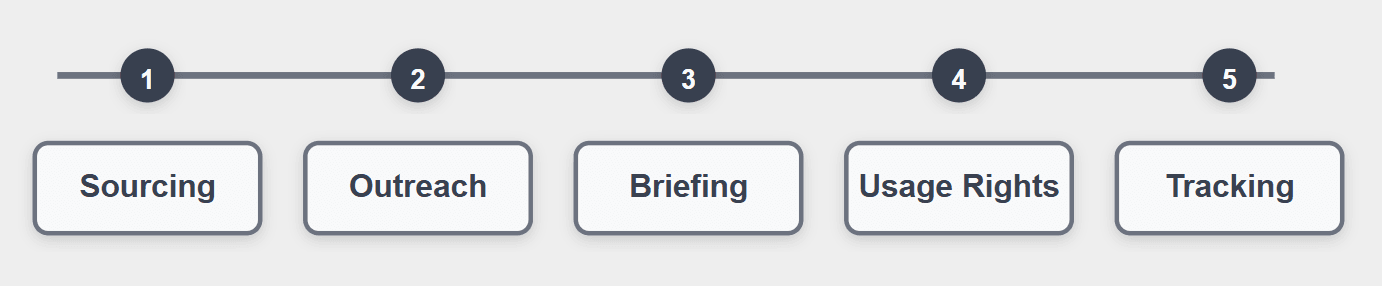
SophiaPro bundles this into one flow:
- Auto‑sourcing & vetting: pull shortlists by audience niche/geo, flag fraud/risk, and score fit.
- Briefs with guardrails: one‑page briefs with required claims and #ad disclosure prompts.
- Clean tracking by default: auto‑UTMs/coupons, link hygiene checks, and a rights/whitelisting tracker.
- Boost the winners: “what to boost” suggestions based on early engagement and click‑through.
- Lift reads, not guesses: simple holdouts and weekly reports so you can prove impact.
Bottom line: you don’t need a five‑person team. Start scrappy, keep it always‑on, and let automation do the heavy lifting.
The 5‑D Strategy Framework You Can Ship in a Week
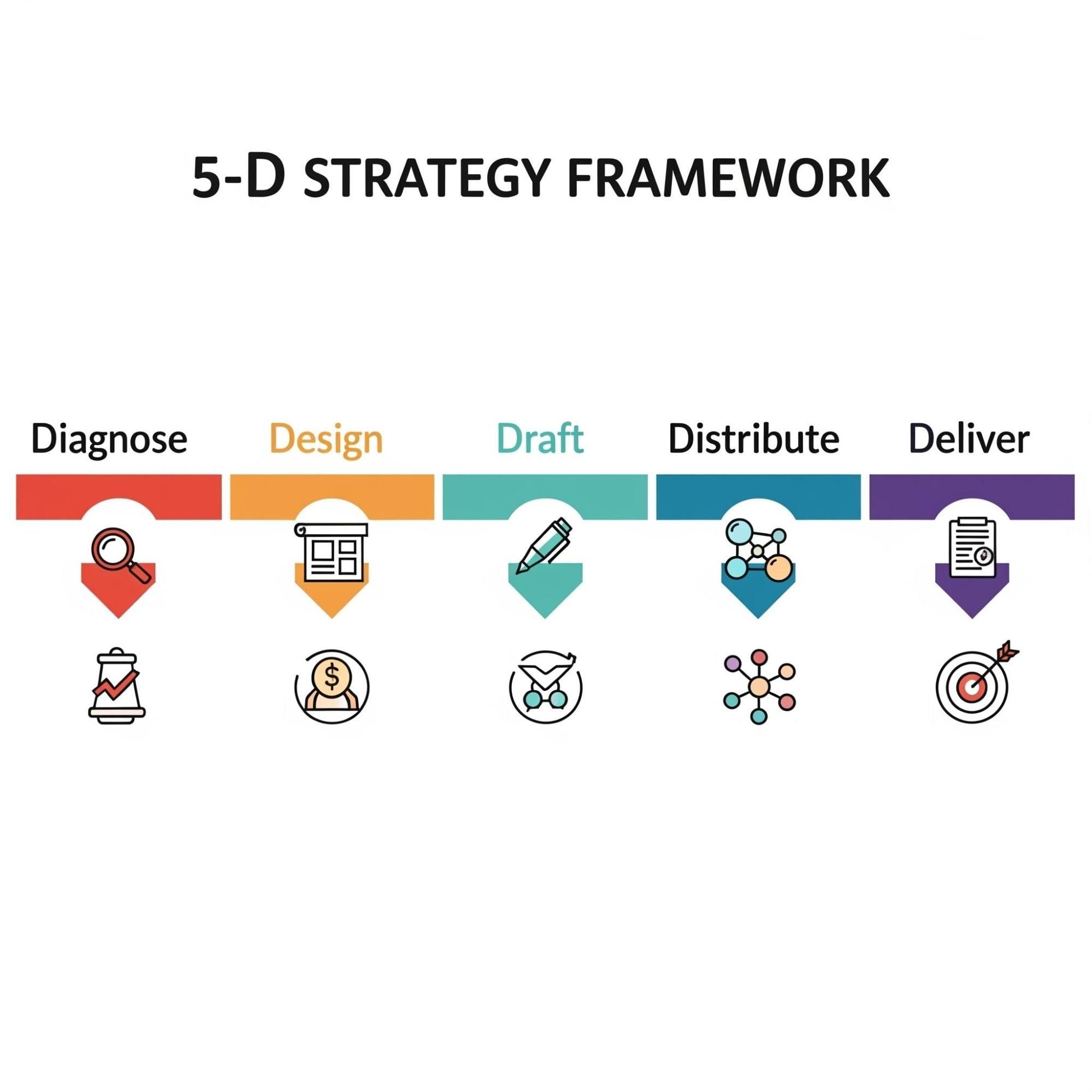
- Diagnose:
- Define one revenue goal, one audience, one conversion path.
- Pull last 90-day channel data.
- List creative gaps.
- Design:
- Pick creator tiers by funnel stage
- Map content formats
- Set your hybrid comp model (flat + performance)
- Draft: write a minimum brief , including:
- Audience
- Why this creator
- 3 must-show moments
- 3 do-nots
- Disclosure
- Distribute:
- Post plan (creator native + brand repost + whitelisting + dark ads)
- Slot UGC into paid
- Deliver:
- measurement plan (leading + lagging)
- incrementality test
- learnings → next sprint
Creator Sourcing & Vetting
- Where to look:
- Platform search
- Creator marketplaces
- Community referrals
- Past customers
- Fit‑Score Formula (start simple):
- 40% audience-match
- 30% content quality & brand fit
- 15% true engagement (ex-bot)
- 15% past conversion proxy (affiliate or link data when available)
- Red flags:
- Sudden follower spikes
- Misaligned audience geography
- Comment pods
- Political/brand-unsafe content
That’s where SophiaPro shines: it sources creators in your niche, filters bots and risky accounts, and ranks each by a fit score—audience overlap, brand safety, content quality, and past lift. You get a clean, vetted shortlist (plus instant lookalikes) that turns scouting time into real audience traction.
Briefing That Doesn’t Kill Creativity
- “Three Moments” structure: Hook → Product truth → Social proof/call to action (CTA). Provide raw assets (screens, testimonials, data points) and non‑negotiables (claims, disclosures).
- One page only.
- Include visual examples and 2–3 sample hooks.
Compensation, Contracts & Rights
- Pricing drivers: audience size, creative lift, brand risk, usage term, exclusivity, whitelisting.
- Hybrid model examples:
- Flat + cost per acquisition (CPA)/cost per order (CPO)
- Flat + revenue share
- Flat + milestone bonus
- Contracts checklist: usage/whitelisting windows, edit rounds, deadlines, FTC #ad disclosure, AI usage policy, brand safety clauses, kill fee.
SophiaPro builds region-compliant contracts by default— Federal Trade Commission (FTC)/Advertising Standards Authority (ASA) disclosures, General Data Protection Regulation (GDPR)/California Consumer Privacy Act (CCPA) terms, and usage/whitelisting language adapt to where you and the creator operate. It auto-fills the agreement with the creator’s details (legal name, handle, address, tax/payment info, deliverables, timelines), so it’s e-sign-ready in one step. Versioning, audit trail, and renewal reminders are included.
Measurement, Causality & Lift
- Leading metrics: view‑through rate, 3‑second hook hold, saves/shares, click‑through.
- Lagging: add‑to‑cart, trials, revenue, CAC, lifetime value (LTV)/CAC, payback.
- Lift testing options: geo‑split, time‑based holdout, creator‑level staggered rollout, matched‑market.
- “Dark social” reads: correlated search lift, branded keyword clicks, direct traffic deltas, survey‑based exposed/unexposed.
- Common pitfalls: coupon cannibalization, last‑click bias, misattributed affiliate spikes.
Compliance & Brand Safety (U.S. focus)
- Clear #ad/#sponsored disclosures, no “mixed” disclosures, children’s content caution.
- Platform‑specific do’s/don’ts (alcohol, financial claims, health claims). Keep a risk register.
Always‑On Engine vs. Campaign Bursts
- Cadence template: 70% always‑on seeding + 30% quarterly moments. Retain 20–30 creators as a bench.
- Content recycling: TikTok → Reels/Shorts, shorts → ads, longform → blog/snippets.
Mini‑Playbooks by Vertical
- DTC/E‑commerce: product seeding → UGC library → whitelisted ads; bundles for seasonal peaks.
- SaaS/B2B: expert‑led webinars, creator‑hosted series, LinkedIn carousel collabs; measure demo starts and pipeline influence.
- Mobile Apps: TikTok how‑to hooks, “day‑in‑the‑life” loops, App Store deep links, SKAN‑friendly measurement.
Case Study Snapshots (what to steal ethically)
- Lenovo’s creator‑hosted Late Night I.T. (turn complex topics into bingeable content; outperformed video benchmarks).
- Sprinklr’s Across the Socialverse (influencer masterclass; global reach + qualified pipeline).
- LinkedIn’s #MyMarketingStory (always‑on creator stories; reaction/comment lift and 100% creator activation).
- Dell’s Data Paradox (influencer‑amplified research; 2× engagement, strong landing page views).
- SAP’s Tech Unknown podcast (expert guests; 66% downloads lift, 52M+ impressions).
Plug‑and‑Play Templates
- 1‑page brief (include do’s/don’ts, three moments, CTAs, disclosure line).
- Outreach email + follow‑up ladder.
- Contract & usage clause snippets.
- KPI scorecard (leading/lagging, targets, owner, timing).
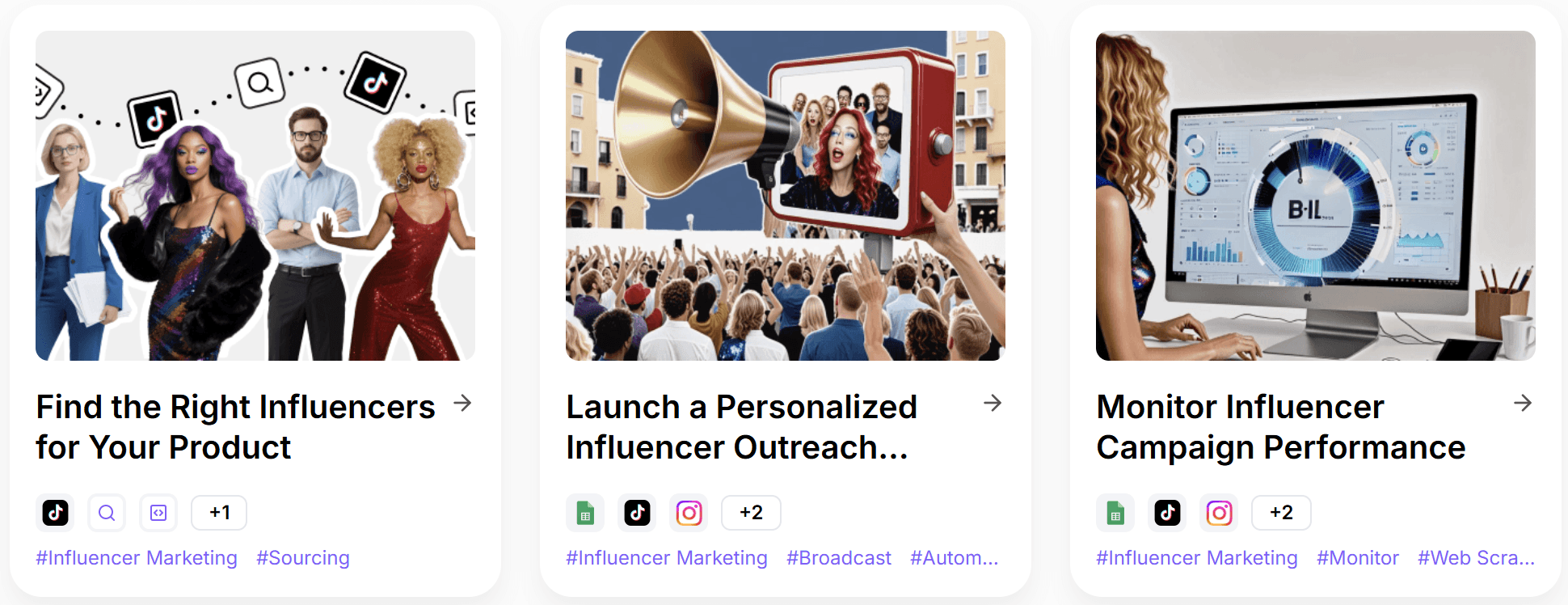
Where SophiaPro Fits
- Sourcing & vetting with 70+ metrics; fit‑score, fraud checks; audience niche tagging.
- Brief builder + disclosure guardrails; asset locker; rights/whitelisting tracking.
- Always‑on measurement: cohort CAC, lift tests, and “what to boost” recommendations.
Draftable Sections (quick starts)
A. One‑Page Brief Template
- Objective & success metric
- Audience & problem
- Creator why‑you
- Three moments (hook → product truth → proof/CTA)
- Claims/safety guardrails
- Disclosure line (U.S.)
- Deliverables & dates
B. Outreach Ladder
- Icebreaker + why them
- Value exchange & deliverables
- Next steps + scheduling link
- Nudge with example hooks
C. KPI Scorecard (example fields)
- Creator Tier
- Platform
- Post date
- Impressions
- 3-sec rate
- Saves
- Clicks
- CTR
- ATC
- Conversion
- Revenue
- Cost
- ROAS
- Notes
Wrap‑Up: Start Small, Stay Always‑On
If there’s one takeaway from this guide, it’s this: influencer marketing works best when it’s steady, simple, and measurable. You don’t need a giant budget or a five‑person squad. Pick one goal, back a handful of creators who actually talk to your audience, and let the learning compound. The playbooks here are meant to be shipped—not admired.
What matters most
- Real fit over follower flex.
- Clear briefs that spark creativity, not scripts that suffocate it.
- Rights you can reuse and ads you can actually run.
- Measurement that proves lift, not just likes.
- Compliance that’s obvious and honest.
Your 7‑day launch checklist
- Define one goal and one conversion path.
- Shortlist 10–20 nano/micro creators in your niche and region.
- Send a one‑page brief with disclosure and usage terms baked in.
- Post, capture assets, and secure whitelisting so you can boost winners.
- Track links/coupons cleanly; run a simple holdout.
- Report what worked; boost two winners; archive two losers.
- Repeat next week—keep the engine always‑on.
Where SophiaPro helps
If you’re running lean on time, budget, or headcount, let automation carry the busywork—sourcing, vetting, brief guardrails, rights tracking, “what to boost” picks, and clean reporting—so you can focus on the story and the results.
Ship it. Learn fast. Build the bench. The brands that treat creator work like an always-on product line instead of a one-off stunt, win the next quarter and the one after that.